RMR earnings / call
RMR Q4 2026 earnings call transcript, November 13, 2026
Fiscal Fourth Quarter 2026 Earnings Call
- Management 28%
- Adam Portnoy 25%
- Matthew Brown 11%
- Matthew Jordan 6%
- Analysts 10%
Management
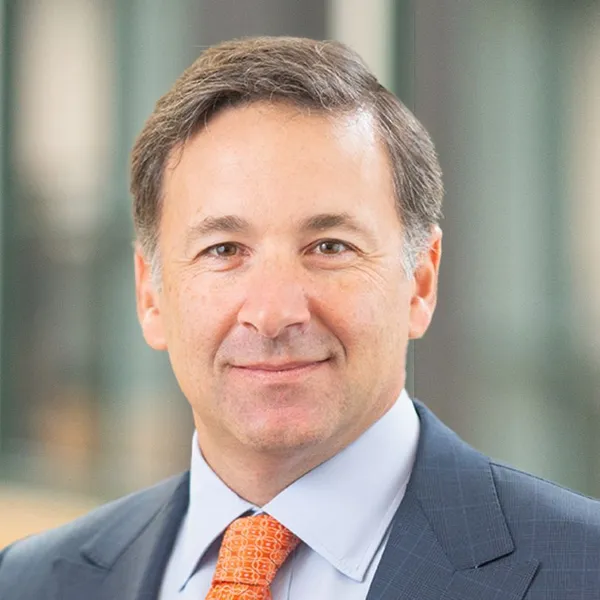
Adam Portnoy
Managing Dir., President & CEO
10 min
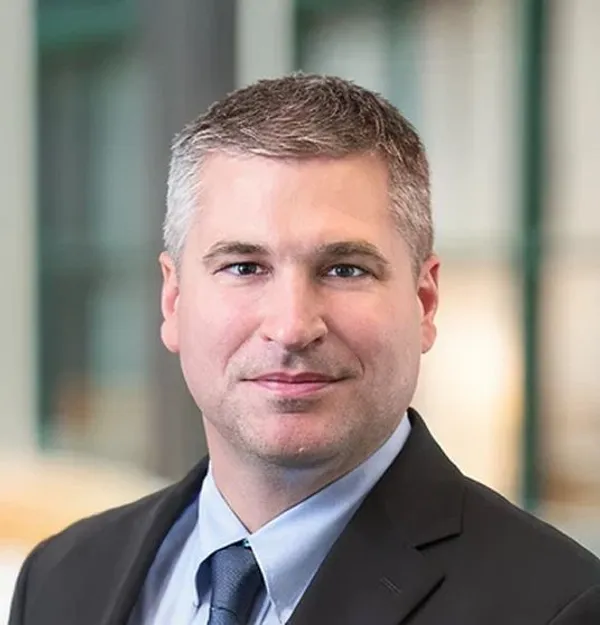
Matthew Brown
Exec. VP, CFO & Treasurer
4 min
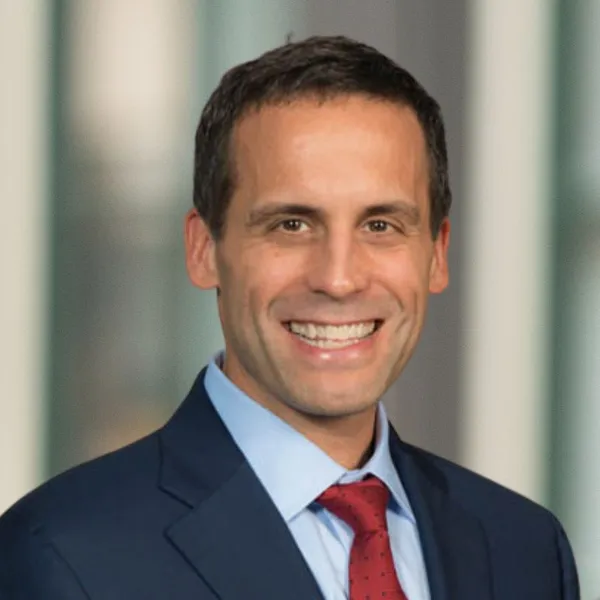
Matthew Jordan
Managing Dir., Exec. VP, COO
2 min
Analysts · 3
1 min
2 min
1 min
Transcribed automatically by Lician from the company's public webcast; it can contain errors and speaker names are best effort.
- Prepared remarks10:20
And welcome to the RMR Group Fiscal Fourth Quarter 2026 Results Investor Conference Call. All participants will be in a listen-only mode. Should you need assistance, please signal a conference specialist by pressing the star key followed by zero. After today's presentation, there will be an opportunity to ask questions. To ask a question, you may press star and then one using a touch-tone telephone. To withdraw your questions, you may press star and two. Please note today's event is being recorded.
- Q&A11:00
And thank you for joining RMR's fiscal fourth quarter 2026 conference call. With me on today's call are President and CEO Adam Portnoy, Chief Operating Officer Matt Jordan, and Chief Financial Officer Matt Brown. In just a moment, they will provide details about our business and quarterly results, followed by a question and answer session. I would also like to note that the recording and retransmission of today's conference call is prohibited without the prior written consent of the company. Today's conference call contains forward-looking...
as of today, November 13, 2026, and actual results may differ materially from those that we project. The company undertakes no obligation to revise or publicly release the results of any revision to the forward-looking statements made in today's call. Additional information concerning factors that could cause those differences is contained in our filings with the Securities and Exchange Commission, which can be found on our website at rmrgroup.com. Investors are cautioned not to place undue reliance upon any forward-looking statements.
Determined in accordance with U.S. generally accepted accounting principles to these non-GAAP figures can be found in our financial results. With that, I'll now turn the call over to Adam.
- Adam PortnoyManaging Dir., President & CEO
Thank you, Brian, and good morning, everyone. The fourth quarter capped off a productive fiscal year for our platform, as both continued operational improvements and the ongoing execution of strategic actions were seen across our clients, while we also continued our efforts to expand our private capital business. Our quarterly results were highlighted by distributable earnings of $17.2 million, or 53 cents per share, and adjusted EBITDA of $21.5 million, with both measures exceeding the high end of our guidance. Our REIT management teams have worked tirelessly to improve operating performance, strengthen balance sheets, optimize capital allocation, and improve portfolio quality. Many of these initiatives...
I would now like to speak about some selected highlights across our managed REITs. At DHC, strong operating results were highlighted by Same Property Shop occupancy increasing 200 basis points year-over-year to 84.4%, while Same Property Shop NOI increased more than 50% year-over-year to $48 million. DHC also recently announced...
are expected to improve cash flows while reducing DHC's future capex. Further, DHC announced that the remaining 76 shop communities not already operating under revised management agreements will transition to updated structures effective January 1st, 2027. These transitions are expected to further align operator incentives with property-level performance to increase cash flows at DHC.
7Hills has successfully reduced its office exposure to approximately 10% with limited losses realized as part of that effort. 7Hills remains committed to its dividend and expects to achieve sustainable dividend coverage during the first half of calendar 2027. Given the meaningful reduction in office exposure, the strong demand for its flexible financing solutions, and the attractive opportunity set,
given our significant ownership stake in the company. At SVC, the significant investments that the REIT has made over the past few years are starting to show up in its results. In the third quarter, SVC's 77 retained hotels grew REVPAR 8.3%, outperforming the U.S. hotel industry for the eighth consecutive quarter, and the adjusted hotel EBITDA grew 60%.
that it believes could add approximately $109 million of EBITDA to its 77 retained hotels over the next 12 to 24 months. In addition, SVC illustrated that with this increased cash flow, the 77 retained hotels could be worth between $3 and $4.1 billion in aggregate. As a reminder, SVC is in the middle of executing a multi-year plan.
Leverage from its current above-market leverage ratio of nine times net debt to adjusted EBITDA to no more than five times, which would be in line with its triple net lease repairs. As part of this plan, SVC has sold 142 mostly select service hotels for $1.1 billion and largely used the proceeds to repay debt over the last three years. With this as background, I want to take a few moments to address the publicly disclosed letters that SVC has received over the last several weeks. In early October, a company called TKO issued a public letter which offered to buy SVC's hotel portfolio for $2 billion. They followed up by issuing a press release in mid-October, which largely reiterated their desire to...
not engage in any discussions, nor have we had any prior business relationship with them, and the only communications we have seen from TKO are the same ones that the public has seen. Last week, the SVC Board, including all six of its independent trustees, unanimously rejected the TKO offer. The principal reason was that the offer was significantly below what management and the SVC Board believe
over the next 12 to 24 months. Shortly after announcing earnings last week, SVC received another publicly disclosed letter from an investment firm called Blackwells. Similar to TKO, Blackwells made no direct outreach to SVC or RMR before issuing its public letter. The letter from Blackwells makes numerous claims and demands, but in essence, it wants
He issued a press release that includes a letter from SVC's board responding to Blackwells. After talking with many SVC shareholders over the last several weeks, I think it is important for me to make clear some things about SVC's plans to sell its remaining hotels and to remove any ambiguity or confusion in the marketplace about RMR's motivations and incentives with regards to me.
triple net lease read. At the same time, we think it is important that SVC emerges from this transition at significantly lower leverage so that the company can be successful going forward. To that end, it is not a matter of if SVC will sell its remaining hotels, but a matter of when is the right time to do so. With that in mind, I would like to expand on when we currently think is the right time to sell.
And what is left is a portfolio of 77 performing hotels that are well positioned for significant cash flow growth. Given that SVC has spent $628 million renovating these hotels over the last three years, and that we believe EBITDA is likely to increase by roughly $109 million over the next 12 to 24 months, is our view that SVC
we believe SVC will receive significantly higher proceeds in the future as Hotel EBITDA improves, rather than be a forced seller of these hotels today at what we believe would be lower values. I would also like to discuss how we see future hotel sales at SVC unfolding. Because the 77 retained hotels are a mixed collection of select service, upscale... In upper upscale hotels located in suburban, airport, urban, and resort locations, it is our view that SVC will likely receive significantly higher total proceeds selling these hotels individually or in small portfolios rather than in one large transaction. Also, given that the timing of EBITDA improvement will vary by hotel, it is our view that these sales will...
year-end 2028. With regard to how SVC will sell these hotels, we think they will likely be sold through competitive marketed processes using experienced brokers similar to how we sold the prior 142 hotels over the last three years. Nevertheless, if SVC were to receive an unsolicited offer from a credible party that values an individual...
If we believe they would be worth in the future after the cash flow increases significantly, then we would, of course, seriously consider it together with SVC's board as a means to accelerate SVC's transition to a de-levered, pure play, triple net lease read. Finally, I want to address RMR's motivations and incentives in managing SVC. RMR's contract with SVC... ...is highly aligned with SVC shareholders. RMR's management fee is currently calculated based on SVC's total market capitalization. So, if SVC's stock goes up, RMR makes more money. And if SVC's stock goes down, RMR makes less money. RMR also has the opportunity to earn meaningful incentive fees tied to SVC's total shareholder return.
RMR underlines RMR with SVC shareholders and makes RMR one of SVC's largest shareholders. While earning higher management fees as SVC's stock price improves is obviously attractive, the opportunity to earn meaningful incentive fees, along with a high return on its investment in SVC, is very compelling for RMR. Said plainly, RMR is highly incentivized to manage SVC. In a manner that would benefit all SVC shareholders. With that, I'll now turn the call over to Matt Jordan.
- Matthew JordanManaging Dir., Exec. VP, COO
Thanks, Adam.
While a number of our clients have benefited from improvements in operating fundamentals, the broader macroeconomic environment remains challenging. Higher interest rates, inflation, and geopolitical uncertainty have weighed on commercial real estate fundraising, with global fundraising this past quarter reaching its lowest level since 2012.
to real estate investing. While recent fundraising efforts for RMR-sponsored vehicles have been muted, we remain focused on increasing RMR's brand awareness and strengthening relationships with institutional investors to position us to capitalize as fundraising conditions improve. To that end, as a diversified real estate manager, we are finding increasing levels of interest from institutional investors as they seek out managers whose vertically integrated platform to perform.
And most importantly, our deep bench of investments and operations professionals, we are finding new investor engagement heading into calendar 2027 across a number of the sectors RMR manages. As it relates to RMR's operating margins, as our clients have executed on their ongoing strategic investments, most notably asset sales, we have remained focused on ensuring that RMR's platform reflects those changes. In response to these aspects.
Together with continued expense discipline, contributed to a 460 basis point sequential increase in adjusted EBITDA margin to 45.9% during the fourth quarter. While we have rationalized resources in certain functional areas, we have continued to make strategic investments to support our long-term growth. For example, over the past year, we have expanded our marketing and capital formation efforts and increased investments in technology. We are also active.
These investments have allowed us to drive significant operating leverage, as demonstrated by AUM per employee, increasing from $77 million in 2021 to over $105 million today, which we expect will only continue to expand. Taken together, we believe the combination of a more efficient operating platform, targeted investments and growth initiatives, and continued value creation leaves ARM are well positioned. With that, I'll turn the call over to Matt Brown.
- Matthew BrownExec. VP, CFO & Treasurer
We'll be right back to $0.53 per share, both of which exceeded our guidance. Recurring service revenues were $45.2 million, a modest sequential quarter decrease that was in line with our expectations, largely driven by nearly $600,000 of acquisition fees earned last quarter. These decreases were partially offset by higher construction supervision fees and total market capitalization improvements at DHC and ILPT. Next quarter, we expect recurring service revenues to decline to approximately $40. $33.9 million, largely driven by recent total market capitalization declines at certain of our managed equity rates. Turning to expenses, recurring cash compensation was $38.9 million, a sequential quarter decrease of approximately $700,000, driven by headcount rationalization and the cumulative compensation adjustments we recognized in the prior quarter. Our cash compensation reimbursement rate increased to approximately 45% this quarter. Looking at the next quarter, we expect recurring cash compensation to be approximately $38 million, with a reimbursement rate of approximately 43%. As noted on last quarter's call, RMR's annual share awards to employees occurred in September, which increased our non-reimbursable, non-cash equity-based compensation by approximately $700,000 this quarter. Recurring G&A this quarter was $9.7 million, a sequential quarter decrease of approximately $1 million, driven primarily by
RMR. We expect recurring G&A to increase slightly next quarter. Below the operating line, we recognized a $22.7 million loss on investments this quarter, largely reflecting non-cash unrealized losses from changes in the share prices of certain of our investments during the quarter. These unrealized losses were the primary driver of our gap net loss of $12.4 million and are excluded from adjusted EBITDA and distributable earnings. As noted on prior calls, our quarterly tax rate is subject to fluctuation. This quarter, we recognize an income tax benefit of approximately $2 million, primarily reflecting the unrealized losses on our investments, and our effective tax rate for the full fiscal year was 17.8%, consistent with the range we previously guided to. For modeling purposes, we expect our tax rate to be approximately 16% for fiscal 2027. Aggregating these collective assumptions... Next quarter, we expect adjusted EBITDA to be approximately $18.5 to $19.5 million, a sequential quarter decline, largely driven by the declines in total market capitalization at certain of our managed REITs. We expect distributable earnings to be between $0.42 and $0.44 per share, and this guidance is impacted by an increase in estimated tax distributions for fiscal 2027, which adds approximately $1.3 million of additional quarterly distributions. We are also interested in...
...exclude any incentive fees, which we would recognize in the quarter ending December 31st. We ended the fiscal year with approximately $103 million of total liquidity, including approximately $48 million in cash and $55 million of capacity on a revolving credit facility. Our quarterly dividend of $0.45 per share remains well covered, with a distribution payout ratio of approximately 60% this quarter. In addition, we remain on pace to earn aggregate incentive... ...fees of nearly $38 million in the upcoming quarter ending December 31st, as DHC and IOPT have been among the top performing REITs in the U.S. over the last three years. While these amounts remain subject to change, the significant outperformance to their respective benchmarks gives us continued... confidence in earning these fees. This structure reflects the strong alignment of interest RMR has with the shareholders of our managed equity REITs. Any incentive fees earned, which would be paid in January 2027, would further enhance our liquidity position. Our liquidity profile continues to give us the flexibility to execute on our strategic objectives, invest in our private capital business, and pursue growth opportunities as they arise. That concludes our prepared remarks.
Thank you very much.
- Operator
Then one using a touchtone telephone. To withdraw your questions, you may press star and two. If you are using a speakerphone, we do ask that you please pick up the handset prior to pressing the keys to ensure the best sound quality. Once again, that is star and then one to join the question queue. We'll pause momentarily to assemble the roster.
Our first question today comes from Christopher Nolan from
Chris. Did these letters just come out of the blue or did this private equity group supposedly take any sort of equity position in SVC? And if they did, why don't, I mean, the market cap at SVC is only $720 million. Why don't you just buy the company?
So I'll answer the question around you asked whether we've heard from these guys prior to their letters. No.
To be honest with you, prior, we have no business relationship with them. The only thing we've seen is what the public has seen. And with regards to Blackwell's, there was no communication to the company prior to them issuing that letter publicly. We had no idea they were interested or were focused on the business at all. In terms of how much they own, they don't publicly disclose. Their ownership and they haven't made that disclosed. So I can't really comment on that. And in general, are you seeing more private equity interest in commercial real estate?
Generally across the board and commercial real estate, transaction volume is low and fundraising is low for funds focused on commercial real estate. Transactions are happening. But in terms of. Private equity putting capital to work, I guess I could say two things. If you read a lot of the industry publications or talk to folks in the industry, what you find is that there's a lot of people that are sitting on a lot of dry powder that are reluctant to put it to work and that a lot of allocators of capital are also not putting. allocations out to managers because they have a lot of capital tied up in existing funds that haven't been that haven't roundtripped. There's a lot of investments that sort of stuck out there that LPs haven't been able to get their money back. And so they haven't been able to recycle it in. That's generally speaking what's going. And so it's the real estate private equity world. I'll tell you it's similar in the general private equity world, too, but it's definitely happening in the real estate private equity world. Right. Final question. You talked about the increase in EBITDA for SVC and how the portfolio is sort of diversified and you might be doing sales of individual or small groups. Is that going to is there going to be a particular order in terms of the renovations? The investments that you make in the portfolio so you can move groups of hotels or the ones which have the best sales prospects sooner?
Yeah, that's a good question. So the way we see it happening is most of the capex has been spent. There is still additional money to be spent in the next couple of years. The lion's share of the renovations have occurred. And now we're really looking towards the benefit of that, the benefit of those renovations. In addition to, there's a lot of improvements going on at the operating day in and day out, operating the hotels as well, especially through the management. The hotels managed from Sinesta, but as well as Hyatt and Radisson as well. I expect that, you know, starting in 27, there'll be groups of hotels. If I had to guess, they'd probably be more the few focus services we have, let's say, in either the home.
Sort of maximum EBITDA or ready for sale. And I think as time goes on, you'll see that more of the full service hotels will probably have the longest views on them. Not all of them, but generally speaking, that have the longest views on them. And they might, you know, take some time until we were able to sell them. But generally speaking, I think you'll see us as EBITDA improves or gets to sort of, you know, where we think we sort of topped off.
You know, in order to maximize value, the market can't see us as forced sellers either. So there's an interesting, you know, process we have to go through because the market is efficient. And if they think you're a forced seller, they take advantage of you. And so we want to be very deliberate in these sales over the next couple of years on our timetable. But I'm confident we can get it done by the year, substantially done by the end of 28.
- Operator
And our next question comes from Mitch Germain from Citizens Bank. Please go ahead with your question.
Question · Citizens JMP
Mitch GermainAnalyst · Citizens JMPThank you. And thank you for your comments, Adam. I'm curious, you have a pretty wide range there, $3 to $4.1 billion. Take the sensitivity-wise, what's the low end of the range or the high end of the range? Sure. The two biggest variations, one, there's a multiple, obviously. What are they worth? You know, 12 to 14 times, or give or take, whether you apply that. But it's also really important to look at the margins. At the high end, I think we're talking about 22 to 24 percent margins are in that range. At the base case, we think, you know, we just want to get margins up to about 20 percent. But at these hotels over the next couple of years, there's a tremendous amount of room to grow in the margins at SVC.
- Management
We need to be able to operate well into the 20 percent margins. We don't have to get all the way well into the 20 percent margins. But as long as we get close and that's sort of what we think we need to do and what we can do, we'll be able to generate significant proceeds selling them in the future rather than today. And in doing so, and this is a really important part, we need to delever SVC, you know, to separate the hotels from the company. And leave the company hobbled with a lot of debt in a very high leverage ratio is not going to be beneficial to shareholders at SVC. We are large shareholders at SVC. We don't think that makes any sense. But if you're able to improve the hotels, sell them in an orderly fashion over the next couple years at high prices, use those proceeds to delever the company, you will have a very successful company on the back end of that that's a delever. pure play net lease rate that will likely trade well and a well above where it trades today. And we're large shareholders in the company. We firmly believe that at RMR and the SVC board believes that as well. And Adam, how much of that, you know. 109, I believe, million of EBITDA improvement. I mean, I think that brings you above kind of what you've been doing the last several years with significantly lower population of hotels. How much of that is driven just by improvement in the broader backdrop versus initiatives that you've either done, i.e. capital or, you know, look to do in terms of, you know, maybe getting better service agreements or whatever it might be.
- Management
Market tailwind. It's a very small piece of that. I think it's, you know, don't hold me this, 90% plus is being driven by operational improvements and the benefit of the CapEx that's coming. This is really unique to this portfolio in terms of what we're producing. This is not market driven principally. Meaning, and that's a good thing. And it's good because, yes, you know, RevPar generally in the hotel industry is improving and it's expected to continue to improve. But even if the industry wanes a little bit, the improvements we're talking about are sort of divorced from that. We're talking about unique improvements at our hotels and really that's coming from the benefits of the CapEx, but also the operating initiatives that have started and it will continue over the next year or so to try to improve the performance of the hotels, increase those margins so that they are worth much more.
- Management
is migrating toward known type of platforms. I mean, you guys have a significant amount of track record, both public and when you were private, you've been in the private capital industry. I mean, what's it going to take to truly ignite and lock in potential investors? Is it maybe the asset class that you're looking at isn't, you know, kind of...
- Management
We're proud of the $12 billion we have today that was negligible at the start of this decade, if you will. But I would say the investments we've made as a firm have really been turbocharged in the last 18 to 24 months through our capital formation team's effort, which is a group we did not have prior to that point. And we're doing this all in the face of an incredibly challenging fundraising environment. So what we're doing and what that team has done, and we're really trying to be sector agnostic, to be quite frank. And spend time, I kept using the word brand awareness in my prepared remarks. Our team, just to give you a sense, has been getting the RMR name known globally over the last 18 months. And in our calculations, there's 131 LPs around the world, non-US, with over...
- Management
So our team has direct engagement with senior decision makers. And we are just speaking to them about the platform as a whole. So whether it be they have interest in multi and credit, in medical office, we want to be responsive to their needs when they are ready to start deploying. I don't think it's a migration to just two or three managers. I think it's what Adam talked about, about the lack of transaction volume and the ability to get that trapped capital from earlier this decade.
- Management
And right now the world is an uneasy place in many ways. And they're looking for a better line of sight to where they are. And we want to be where they are today. And we're putting ourselves in a position when they are ready to deploy that RMR is front and center. So we're playing a long game, Mitch. And I'm comfortable. I wish we had more to report at this point. But over the long term, I think we're doing the right things to be well positioned. Last one for me.
- Management
1.3 million in the quarter. Yeah, so that's our forecast for 2027. Each quarter, we make tax distributions from RMR LLC up to Inc. and our non-controlling interest. Last year, fiscal 26, we benefited from over distributing in the year prior in fiscal 25. So in 27, this is a more normalized quarterly run rate, which is about 1.3 million higher per quarter. Higher than what you realized in 2026 per quarter or that's the – I'm sorry, just wanted to make sure. So 1.3 million on top of what you already – your kind of typical run rate in 2026 or 1. – okay, great. Thank you. Bye.
- Operator
And our next question comes from John Masaka from B. Riley. Please go ahead with your question.
Question · B. Riley Securities
John MasakaAnalyst · B. Riley SecuritiesGood morning.
Maybe starting off on the SVC comments, understanding the differences between you and TKO or any other potential or hypothetical buyer. It seemed primarily around price. With TKO specifically, have they provided you with any additional documentation about kind of their standing to even begin a negotiation? I'm thinking either kind of proof of funds or any kind of like locked in financing to do a deal if there was a price out there that made sense for both parties. I'm curious, I know you kind of said the only communications you've had are the ones that are kind of publicly available to everyone, but is that truly all of the communications that the SVC board has received and have you requested that additional kind of detail on TKO from them? Yeah, sure. So the answer to the question directly, we have not received any other materials from TKO. They have not reached out to have any discussions with us at all. You know, we're a commercial real estate asset manager. We manage $37 billion. We have 1,800 properties, not just hotels. I think it's important to note that, you know, we get unsolicited offers. I don't know if the word's common, but they happen. But they don't typically happen in a public format the way TKO did it. And, you know, usually people see a view unsolicited offers, and I'd say most of the time the people, they don't want it public for their own reasons, not us. They themselves.
- Management
We engage wholeheartedly, and we have sold properties, not just at SBC, but across the platform. What TKO is doing is extremely unusual in the fact that nothing they have provided, they have not provided or communicated with us in any way that is other than what you see in public. They know.
- Management
With SBC or RMR. And so there's nothing else out there. It's a highly unusual thing they did. We could all speculate as to why they chose to do it this way, but it's highly unusual. And there are ways to make unsolicited offers that people can respond to. They just chose not to do it. Okay. Understood. And then maybe thinking about... You know, kind of unsolicited offers in mind. I understand it's kind of a normal course of business for any kind of real estate portfolio or REIT. But just to confirm, you have in the past received unsolicited offers for the entire hotel portfolio beyond just the TKO one that is kind of publicly out there? We have had discussions with parties on a confidential basis for all sorts of combinations of hotel sales.
- Management
That you might say to yourself, oh, that's an unsolicited offer. Others were just inquiries and discussions. It's a normal course business that we would have. So, John, yes, we've talked to people. We get unsolicited offers. We engage in dialogue. We have sold properties to people based on those inquiries in the past because it makes sense to. They have the funds. They have a reasonable offer. It's an offer. Look, generally speaking,
- Management
market because we want to guarantee because we have public shareholders that we are getting the highest price. And the only way you can typically guarantee that is you do a fully marketed process where you then ask investors that are interested using experienced brokers to solicit bids and weigh those bids. And usually on an unsolicited basis.
- Management
And for the manager and for the shareholders, you want to get the highest price, generally go to auction. But if somebody comes in and offers you a price that is truly above where you think it would clear in the market, we engage. And we have engaged. And we will engage. That's just the way the business operates.
Question · B. Riley Securities
John MasakaAnalyst · B. Riley SecuritiesUnderstood. And then switching gears a little bit. Apologies if I missed this in the prepared remarks, but any kind of update on the status with Office Properties Trust? Kind of how you're thinking about that vehicle today? Any additional kind of indications of what the long-term strategy is there for that platform? Sure. I mean, they had their earnings earlier this week. And I think, you know, they've made announcements they're selling additional properties and that they're really focused. They're going to be down to a core portfolio of about...
- Management
Their current plan is to continue to operate that portfolio, that core portfolio. There could be additional asset sales in the future. We'll likely will execute on all the sales that are out in the market, but there's a possibility that one or two or some of them may not trade. But that's generally the course for the company at this time. You know, we really at RMR, you know, as we do with all the companies, we take the direction from the board. And that is the current plan from the board at OPI.
- Management
If you remind me, that would essentially you have the incentive fees that you, you know, in the disclosure for the quarter that would occur if they were measured at the end of September, but you're not including any of that in the guide for the upcoming year? That is correct, John. Our adjusted EBITDA and DE guide exclude incentive fees. Okay. And...
- Operator
We press star and two.
Our next question comes from Michael Diana from Maxim Group. Please go ahead with your question. Okay. Thank you. Adam, a little more macro level. We have a relatively new Fed chair. We have a brand new Congress. What do you think are the implications of those things for RMR?
Question · Maxim Group
Michael DianaAnalyst · Maxim GroupYou know, from a macro perspective,
more stable macroeconomic environment, geopolitical environments, generally better for real estate. You know, we're an economy that's, you know, pretty much it's full employment, although, and that's generally pretty good for real estate. You know, I think generally speaking, we are of the view, you know, we're not great at predicting interest rates or macroeconomic environment, but, you know, we can see the world just like everybody. And we're taking the view and trying to set up our companies for the fact that, you know, we're probably in an environment where interest rates are going to be higher for longer. It's going to be a very different environment than we probably operated, you know, from the great financial crisis through COVID, and even the first couple years into COVID, where you could really rely on a very low interest rate environment. And yeah, you had to be good operators in real estate. But a lot of times that.
- Management
I think there's going to be a lot of shakeout in the real estate asset management space. A lot of smaller firms probably can't survive in this environment. I think we're fortunate enough that we've reached enough scale and we have enough diversity that I think we are going to be able to hopefully thrive in this type of environment where it's much more about demonstrating operational excellence. You know, we have the scale and we can make the investments in technology.
- Management
They have increased cash flow and NOI this past quarter year over year. So things are all going in the right direction. Yes, some of that might be, you know, lack of new supply in the market, generally speaking, from real estate. I think it's because we have a really excellent team at RMR and we really distinguished ourselves from being great operators of real estate. And that's what's driving the growth in cash flow. But, you know, if we're in a high.
- Management
Generally speaking, that's what we've been doing at the equity reach, especially, is engaged in a process over many years where we are trying to deliver them. One, we think the stock prices react well to that, harm our benefits from that. But two, I think it sets the companies up to better thrive in an environment where you have a higher interest rates. All right.
- Management
Thank you very much.
- Management
And with that, we'll conclude.
- Operator
Thank you all for joining our call today. Operator, that concludes our call. And with that, ladies and gentlemen, we'll be concluding today's conference call and presentation. We do thank you for joining. You may now disconnect your lines.