ENB earnings / call
ENB earnings call transcript, November 6, 2026
Enbridge Inc. Q3.26 Earnings Call
Key takeaways from this call : results vs expectations, guidance, what analysts asked
- Management 42%
- Gregory Ebel 26%
- Patrick Murray 5%
- Colin Gruending 5%
- Matthew Akman 3%
Management
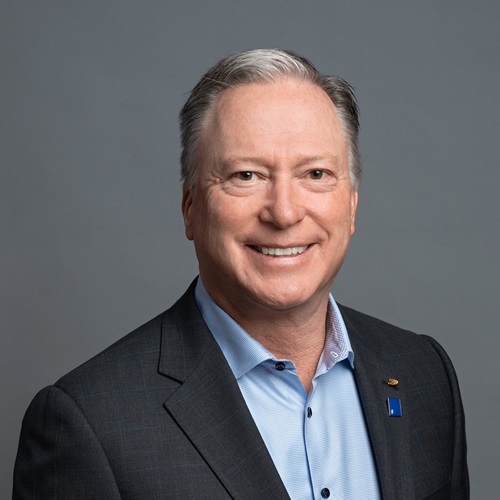
Gregory Ebel
President & Chief Executive Officer
18 min
Patrick Murray
Executive Vice President & Chief Financial Officer
4 min
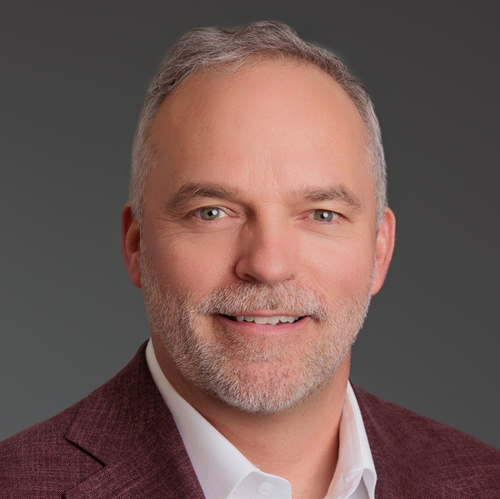
Colin Gruending
Executive Vice President & President, Liquids Pipelines
4 min
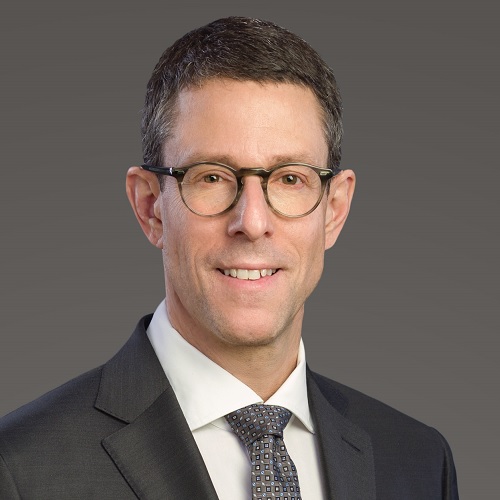
Matthew Akman
Executive Vice President & President, Gas Transmission
2 min
Marlon Samuel
And I'm the Vice President of Investor Relations and Insurance
2 min
Analysts · 9
1 min
<1 min
3 min
1 min
<1 min
1 min
Transcribed automatically by Lician from the company's public webcast; it can contain errors and speaker names are best effort.
- Prepared remarks0:01
- Marlon SamuelAnd I'm the Vice President of Investor Relations and Insurance
Good morning, and welcome to the Enbridge Inc. third quarter 2026 conference call. My name is Marlon Samuel, and I'm the Vice President of Investor Relations and Insurance. Joining me this morning are Greg Ebel, President and CEO, Pat Murray, EVP and Chief Financial Officer, and the heads of each of our business units, Colin Grinding, Liquid Pipelines, Matthew Ackman, Gas Transmission, Michelle Heridence.
Gas Distribution and Storage, and Allen Caps, Renewable Power. At this time, all participants are in a listen-only mode. Following the presentation, we will conduct a question and answer session for the investment community. Please note this conference call is being recorded. As per usual, this call is being webcast, and I encourage those listening to follow along with the supporting slides. We will try to keep the call to roughly one hour, and in order to answer as many questions as possible, we'll be limiting questions to one plus a single follow-up if necessary. We will be prioritizing questions from the investment community, so if you are a member of the media, please direct your inquiries to our communications team. We'll be happy to respond. As always, our investor relations teams will be available after the call for any follow-up questions. On to slide two, where I will remind you that we will be referring to forward-looking information on today's presentation and Q&A. By its nature, this information contains forecast assumptions and expectations about future outcomes, which are subject to the risks and uncertainties outlined here and discussed more fully in our public disclosure filings. We will also be referring to non-GAAP measures summarized below. With that, I will turn it over to Greg Ebel.
- Gregory EbelPresident & Chief Executive Officer
Well, thank you very much, Marlon, and good morning, everyone. We appreciate you joining us today. We delivered another quarter of strong operational and financial performance, positioning us to achieve our 2026 financial guidance for the 21st consecutive year. During the quarter, we made a number of important strategic announcements that continue to strengthen our long-term growth outlook. Our announcements also included my intent to retire at year end and Michelle's appointment as the next CEO of Enbridge. Now, looking at... At the quarter, utilization remains strong across all four of our businesses, reflecting the essential nature of the diverse energy infrastructure we operate. We placed two projects into service in our gas transmission business, Aspen Point, BC, and Tennessee Ridgeline. And we also filed agreement in the Enbridge Gas Ohio rate case this quarter. We closed the previously announced West Coast partnership with KKR and Apollo, providing financial flexibility to fund our organic growth opportunities. We also announced the acquisition of Tallgrass's crude transportation business and acquired Salt Creek Midstream's crude gathering assets, both of which expand our liquids pipeline footprint across some of North America's most attractive producing regions. To support those strategic transactions, we completed a $3 billion common equity offering. And in liquids pipelines, we sanctioned the Long Lake expansion with our region
oil sands business supporting CNX growing operations. In our gas distribution business, we announced the acquisition of natural gas supply assets that will increase the amount of affordable gas that we can provide for our Enbridge Gas Utah customers. Taken together, these transactions demonstrate our disciplined and versatile approach to capital allocation, allowing us to capitalize on opportunities that align with our strategy. But before discussing the business updates, let me offer a few comments about my upcoming retirement. Four years ago, when I accepted the board's invitation to take on the Enbridge CEO position, I was focused on accomplishing four things in relatively short order. First of all, improving our customer focus and experience. Second, improving the investor experience. Third, I wanted to expand our footprint in both the Canadian and U.S. markets and finally ensure that in three years, the board would have a great CEO successor from within the company. As a management team and with my board colleagues, we got working on all those priorities immediately. Today, our customers have a growing set of offerings across all of our businesses. They have shown their great support for us by backstopping virtually all of our $38 billion in growth backlog. Investors have seen good returns via both growing dividends and share appreciation and today our geographic footprint in Canada and the U.S. is bigger than it's ever been. Our assets continue to benefit and grow from the all of the above energy infrastructure build out that we believed was getting underway and today still has a long runway ahead. And last but not least, after a multi-year succession planning effort with the board, I'm thrilled that we have an excellent leader in Michelle Heridence to lead and advance Enbridge into its next growth chapter. Michelle has played
a critical role in leading our gas distribution and storage business in recent years and brings extensive operational, commercial, and leadership experience. Michelle is set to take on the CEO role January 1st, and I have great confidence in her, the leadership team, and our great women and men in the field delivering safely and reliably 24-7 as they continue building on the strong foundation we have established. I'm very proud of what we've accomplished together and thank them for their incredibly hard work and support. This will be my last earnings call. My first was with Duke Energy more than 20 years ago, and some of you were investors and analysts then, and so I appreciate all the support and counsel over the years.
Thanks to you all. Now, as we head towards the end of the year and into 2027, the macro backdrop for the energy environment remains very constructive, with demand for reliable and affordable energy continuing to grow across North America. And globally, population growth, manufacturing investment, electrification, and rapidly rising power demand are creating new requirements for energy infrastructure. At the same time, North America's resources are increasingly important to global energy security, thus supporting growing export demand for both oil and LNG. Taking a look at the map, we see a number of regions in the continent that are expecting significant energy demand, and supply growth into the next decade, and all four of our businesses are currently capitalizing on that opportunity. In liquids, we continue to anticipate significant growth in Canada and expect more certainty on that growth in the near future as governments and industry progress policy alignment. In the spring of 2024, we expressed a strong view that supply growth out of Western Canada would reach 1 million barrels by 2035. Not many shared our view at that time, but today that prediction is probably too low. This growth will require expansions of the Alberta regional oil sands business, increased diluent supply, support for carbon sequestration and transportation, and increased capacity out of the basin. All areas in which we are an industry leader currently and see numerous future opportunities. In gas transmission, we see significant demand all over North America, including in British Columbia, the
US Northeast, and the US Southeast, as well as along the Gulf Coast where Texas Eastern and Valley Crossing assets are strategically located. All of our utility franchises are also seeing tailwinds from population growth and power demand. In fact, we're seeing more opportunities in the US than when we initially decided to buy the gas utility assets in 2023. And lastly, renewables will remain an important part of the generation mix needed to meet and we're seeing more opportunities in the U.S. economy. North America's growing power demand. Our all of the above approach to energy investment allows us to win in multiple ways, regardless of the commodity type, color of the electron, or frankly, the ever-changing makeup of governance. We deliver multiple sources of reliable and affordable energy, and that works for our customers and investors in all conditions. During the quarter, we announced two accretive and strategic liquids acquisitions that further strengthen our energy. Our North American crude oil franchise. The acquisition of Tallgrass's crude oil business, which includes the Pony Express pipeline and Powder River gateway system, will build on our existing Rockies footprint and adds new connectivity to the DJ and Powder River basins. Importantly, the acquisition will add access to growing supply regions while creating additional customer optionality across our broader liquids network over time. We also announced
the acquisition of Salt Creek Midstream's crude gathering assets in the core of the Delaware Basin. This transaction strengthens our Permian position and extends our wellhead to water strategy, adding high-quality gathering infrastructure upstream of the Gray Oak pipeline and our Ingleside export terminal. Together, these acquisitions build upon our existing network advantages and expand our ability to provide integrated solutions across North America most important crude oil corridors. As previously mentioned, this quarter, we sanctioned the Long Lake expansion supporting CNUX growing operations in the Western Canadian sedimentary basin, adding a new lateral pipeline and storage tank while also expanding multiple lines in our regional oil sands system. The project is expected to cost $200 million and enter service in 2028. We also closed a successful open season on play. Hennigan South, which is the downstream component of the resequenced MLO2 project. This just further highlights our demand pull pipelines and our ability to modually expand our system based on our customers' current and long-term needs. As we indicated at our last quarterly earnings call, we see a number of opportunities across our liquids' footprint, and these two projects are evidence of that. We're encouraged by the increasingly constructive industry outlook and are well- positioned to support our customers with our leading liquids pipeline network. Regardless of evolving market conditions or public sentiment for oil, our mainline system has continued to operate at or near capacity. Volumes have steadily increased over the years, and we are confident as supply grows out of the Western Canadian sedimentary basin, so too will our capacity to support our customers. The mainline's many advantages like reliability and safety, market access,
to refining capacity and established rate-making model continue to reinforce the long-term value proposition of the franchise to our customers and investors alike. Turning to gas transmission, fundamentals remain exceptionally strong across the continent. The portfolio remains robust with a number of high-quality opportunities supporting growing LNG and power generation demand. Starting in Canada, Aspen Point entered certainly service under budget and ahead of schedule, providing additional transportation capacity to support regional demand growth and LNG exports on the West Coast. With the current West Coast toll settlement expiring at year-end, negotiations are well advanced, with an agreement and CER approval expected to be realized in early 2027. We also closed the previously announced $2.7 billion joint venture with KKR and Apollo, providing us with financial flexibility as we advance our organic project backlog. We're also advancing a number of opportunities across Texas Eastern, after seeing strong customer demand on various paths for incremental capacity. Within our Permian joint venture, the Blackcomb pipeline has now entered service, providing up to 2.5 BCF per day of capacity out of the basin, and the 2.6 BCF per day Bayrunner pipeline has achieved mechanical completion. Ready to move gas to the Rio Grande LNG facility. In the U.S. Northeast, we continue to progress the previously sanctioned Algonquin Enhancement Project, and the team is working hard on commercial negotiations with customers on Project Beacon, a further expansion of the Algonquin system.
We appreciate the strong support from the state governments like Massachusetts to quickly achieve federal approval of such projects. More generally, we are having a number of conversations with power and utility customers in both the U.S. Northeast and Midwest, and the opportunities in the region remains robust. Despite some construction challenges on the Tennessee Ridgeline project, it entered service on time on November 1st, ready to provide natural gas to our customers under long-term take-or-pay agreements. Further south, Florida continues to be a growing market for gas, driven by power demand, population growth, and industrialization, and we're looking at opportunities through our interest in the Sable Trail pipeline and our connected storage assets along the Gulf Coast. It's worth remembering that across the gas transmission business, we have almost 90 BCF of natural gas storage projects already sanctioned, positioning us to support the growing power demand and LNG opportunities on both sides of the border. Stepping back, these projects are part of a much broader opportunity set. Across the franchise, we see a growing set of near-term opportunities driven by demand for LNG, power generation, and utility load growth. Our extensive existing network positions us well to capture that growth through capital efficient expansions of our existing infrastructure. As we've said before, natural gas remains one of the most attractive areas of growth across North America energy systems and Enbridge is uniquely positioned to
benefit from that trend. Turning to GDS, today we're announcing an agreement to acquire the gas assets of Laramie Energy, expanding gas supplies supporting Enbridge Gas, Utah. The transaction leverages our existing successful Wexbro business model to provide our utility customers with a stable cost of service source of natural gas, helping improve affordability and moderate commodity price volatility, while providing us a utility return of the need to acquire the colors are normally different. And further ado, because if needed, this can matter. Without taking on commodity exposure. The transaction will close following regulatory approval, which we expect to receive later this month. We've also reached a settlement in the Enbridge Gas Wyoming rate case, with rates expected to be effective in early 2027. In Ohio, we made meaningful progress on the rate case that was filed last year. Settlement was filed for approval during the quarter, with increases to our revenue requirement, rate base, and equity thickness. Which will support investment in the system as we continue to serve our customers safely and reliably. Both these rate cases reinforce our strong track record for achieving constructive regulatory outcomes across our gas distribution business, while focusing on affordability for our customers. Now turning to renewable power, our renewable power business continues to focus on disciplined, customer-backed growth. Since 2002,
we have built a renewable power portfolio of more than 8 gigawatts across North America and Europe, including more than 2 gigawatts of projects under construction. These projects under construction are supported by long-term contracts with high-quality counterparties, including 1.4 gigawatts of generation capacity with META. We continue to see opportunities to grow this business with hyperscalers and blue-chip customers seeking reliable, long-term power solutions. With that, let me turn the call over to Pat Murray.
- Patrick MurrayExecutive Vice President & Chief Financial Officer
Thanks, Craig, and thanks, everyone, for joining us today. We delivered yet another strong quarter supported by consistent and high utilization across our diversified asset base. Adjusted EBITDA increased by $167 million compared to the third quarter of 2025, reflecting continued strength across our business. The decrease in liquid pipelines results reflects impacts similar to the first two quarters with lower tolls on the Line 9 deliveries and reduced through input on the Flanagan South pipeline due to high PAD2 utilization and market pricing dynamics. In gas transmission, year-over-year results benefited from favorable contracting and rate case settlements in our U.S. assets. Gas distribution benefited from higher rates in Enbridge Gas, Utah and North Carolina due to recent rate cases and customer growth in Enbridge Gas, Ontario. A renewable power was up slightly as the first phase of Sequoia Solar was placed in a service at the end of 2020. The year-over-year increase in DCF was primarily driven by the higher adjusted EBITDA, which I just spoke to, as well as reduced maintenance capital spend partially offset by higher financing costs associated with incremental debt issuances. As Greg noted, management's been very focused on securing new growth projects, but we've also been very focused on improving results within our existing assets. Continued cost discipline, optimization efforts, and increased buying power.
We've helped us mitigate inflationary pressures with those efficiencies reflected across our operating costs, maintenance capital that I just spoke to, and our growth projects. Given our strong performance to date and confidence in the underlying business, I'm pleased to reaffirm our 2026 guidance and expect results to finish at the midpoint of the range. The strength and resilience of our business model enabled us to deliver reliable results across varying market conditions, even amid macroeconomic uncertainty and commodities. As we look to the remainder of 2026, strong commercial and regulatory execution in gas transmission, the tailwinds realized in Q2 at Seaway provide positive support while we continue to reflect lower liquid market access contribution and higher U.S. interest rates in our outlook. Let's now turn to our capital allocation priorities. Our capital allocation strategy remains consistent. We continue to equity self-fund organic growth backlogs
with KKR and Apollo that closed this quarter. This transaction provides further capacity beyond our base annual investment of 10 to 11 billion. Our debt to EBITDA ratio at the end of Q3, 2026 was 5.1 times, driven by quarter end foreign exchange movements as the CAD to U.S. dollar spot rate spiked to close at 1.42. On an FX adjusted basis, leverage would have remained within our target range. Looking ahead to the next quarter, we expect to be in a similar position in regards to leverage. As we close the previously mentioned acquisitions, but on a full year run rate EBITDA basis for these assets, we expect to remain well within our leverage target. Our track record of shareholder returns remains strong, with $39 billion returned in the form of dividends over the past five years, and a further $40 to $45 billion expected through the next five years, supported by a $38 billion return. We have a well-defined path to growth through the decade, driven by a disciplined focus on low-risk, accretive, brownfield investments. I'll now hand it back to Greg for some closing remarks, but before I do, I'd like to thank Greg for his leadership, guidance, and many contributions to Enbridge over the last 10 years.
- Gregory EbelPresident & Chief Executive Officer
It's been a privilege to work alongside you, and I wish you all the best in your well-deserved retirement. Well, thanks, Pat. It's been a great pleasure working with you as well. And as we step back and look at Enbridge today, I believe our investment. Proposition remains compelling. We continue to offer a combination of stability, strength, consistency, growth, and optionality that is difficult to find elsewhere in the energy infrastructure sector. Our low-risk business model, diversified franchise mix, and predictable cash flows provide a strong foundation for long-term value creation. At the same time, we have one of the largest growth backlogs in our history, supported by approximately $38 billion. of secured capital and significant opportunities above and beyond. The strategic actions we took this quarter, including the Tallgrass and Salt Creek acquisitions, further expanding the opportunities available across our liquids franchise, while still continuing to prioritize the balance sheet. Enbridge is one of the only energy companies that can allocate capital across crude oil, natural gas transmission, gas utilities, and renewable power with scale and flexibility. We believe that positions us well to capture growing North American energy demand while continuing to deliver attractive returns to shareholders. As I look back at the incredible success we've achieved together this past decade, I'm reminded of exactly what it is that makes Enbridge unique. We are the largest transporter of liquids in North America and handle some of the most complex egress systems in the world and will continue to grow this segment well into the future. Our gas transmission business,
stands at the precipice of the largest demand cycle in recent history, driven by growing power, industrial, and LNG needs. We own and operate the largest North American gas utility business, and we continue to see growth beyond what we initially forecasted when we first acquired the U.S. utility business a couple of years back. And the renewable power business has grown into a significant player in the industry, backed by some of the largest hyperscaler and blue chip customers in the world. Few companies touch as many lives as Enbridge. Every day, our assets carry the energy that powers economies, strengthens communities, and underpins modern life across North America. I know that Enbridge is in good hands with Michelle and the rest of the leadership team. And as a forever shareholder, I look forward to the future ahead.
- Q&A23:51
- Gregory EbelPresident & Chief Executive Officer
Thank you for your time this morning. Operator, we're now ready to take questions. Thank you.
- Operator
We will now begin the question and answer session. In the interest of time, please limit yourself to one question and one follow-up. If you would like to ask a question, please press star 1 to raise your hand. To withdraw your question, press star 1 again. We ask that you pick up your handset when asking a question to allow for optimum sound quality. If you are muted locally, please remember to unmute your device.
Your first question.
This question comes from the line of Robert Cattelier with CIBC Capital Markets.
- Operator
Robert, your line is open. Please go ahead.
Question · CIBC
Robert CattelierAnalyst · CIBCHey, good morning, everyone, and congratulations to both Greg and Michelle on the big transition here. I think, first of all, I'll start with that. So, Michelle, I know it's really early for this question, but what do you think investors should expect will remain the same under your leadership? And where could we see capital allocation? Priorities and portfolio construction evolve after the transition starts? Oh, sure.
- Management
Thanks, Robert.
- Management
And I appreciate the question. You know, I think it's really important that folks understand that certainly my vision for this company is very much grounded in our past. For over 75 years, we've been disciplined capital allocators, exceptional project developers and top tier operators. And what that's done for our investors who, by the way, I have family members who've owned Enbridge Shell. Since we IPO'd in 1953, they remind me of this all the time. And that's generate predictable, durable cash flows. So 31 consecutive years of dividend increases. That dividend aristocrat status, it's held by a very small group in energy. And I think it demonstrates our longstanding commitment to our shareholders, regardless of what economic, political or commodity cycle we're in. So as far as I'm concerned, Enbridge is North America's preeminent energy infrastructure company, and it's built on infrastructure. Incredible foundation of four premier franchises. And what we have, the footprint, the quality, the quality of our assets, quality of our people really gives us advantages others just can't have. So what I think you're going to be seeing, not just from me, but from what is a very strong executive leadership team, is that we build off of that foundation. So we continue to operate our existing businesses exceptionally well. That safety, reliability, cost, discipline, and capital efficiency, those have been in
- Management
and will continue to be very core for us. We've got a great set of assets and we're going to protect the foundation of what drives that value for our shareholders. We're going to be the partner of choice. We're going to continue to be the partner of choice for meeting North America's growing energy needs. So that's not only that recognition we have now for all of the above, but more of the above. And what we're really appreciative of and seeing is the pragmatism and balance are there. So I think you'll see Enbridge at the center of all of those conversations. And then the key thing is, finally, we're going to continue to translate those advantages into superior long-term returns for our shareholders. So that's just continuing to be what you already know us to be. Disciplined capital allocators, attractive risk-adjusted total returns, and a real suite of competitive projects that are meeting the demand for energy. I mean, we're talking about taking a great company and making it even better here. And with that, we're going to continue to be grounded in those energy fundamentals. That's what drove us to spend $19 billion. in the gas utilities a few years ago. And you just saw us invest over $3 billion in expanding our liquids footprint this past quarter. But we believe in the future of the energy that our customers produce and demand, whether it's natural gas liquids or renewable energy. And we'll keep doing that.
- Management
Well, thank you. That was a very fulsome answer. I just had a quick small one on the liquids business. There was a small project for the oil sense lateral of CNOG. I find that interesting because we haven't seen something like that in a little while. So maybe you can update us on the customer momentum in terms of oil sense projects and some of the various MLO options.
- Management
Hey, Robert, good morning.
- Management
Yeah, thanks for the question. A student observation. Indeed, it's been quiet up there for a number of years and for obvious reason. But I think we're on the cusp of a huge. cyclical and hopefully sustaining growth wave up there. And so, as you know, we've got a strong position in the oil sands region. Seven trunk lines, lots of laterals, lots of customers. And I think a number of the bigger customers are, you know, in the midst of a of a big negotiation. Uh, uh, they, they are, uh, likely, uh, positioning some, some projects, uh, to, to grow their supply as well. Uh, in the interim, some of the smaller customers, um, are already kind of moving ahead. And, and, uh, the, the CNOC, uh, announcement today is an example of that. They're an existing customer. We're basically twinning, uh, a lateral over to one of our trunk lines to, uh, to grow their existing, uh, production. Um, so I think it's a sign of, of more to come. And, uh, we'll certainly look to, you know, capture our, our share. There's a lot of operating leverage in these, in these systems. They're prebuilt. There's some headroom in them. Um, so it's, I think it's a pretty exciting leg of one of the legs of the Enbridge. So we haven't talked about in a long time, but it's, it's one of the boats that gets floated, uh, right. When the, when the tide rises and we've got other boats in the fleet, we'll talk about probably later in the call.
- Management
All right. But just to just look quick add to that. Now, I think the team's super seized with this, that opportunity and Collins bang on, uh, let's not forget. And I see some discussion of this, our position on, on what I'll call antecedents there. So things like diluent, we're in a great diluent spot in that region. So, you know, so that's domestic, but don't forget, as we see this growth and we're seeing great moves by the Canadian government to make it more attractive, uh, import of diluent too. I mean, a little thing like Southern lights that people seem to to make it more attractive. I mean, a little bit more attractive. I mean, a little bit more attractive. So, you've got some questions like that. We'll see you next week. Forget about it. So, I think we're in a great spot and the team's working really hard. And as it becomes more clear on production growth that we're starting to see, I think there'll be opportunities not only regionally, but also with things like diluent. And as you know, our regional system is partially owned by our indigenous partners, which is a critical component here of getting this right, getting it done quickly, and making sure as many people participate, not only our investors, not only our customers, but also our indigenous partners. So I think that's a huge competitive advantage for us.
- Management
Well, thanks everyone. And congrats again. Thanks.
- Operator
Your next question comes from the line of Jeremy Tonnet with JP Morgan. Jeremy, your line is open. Please go ahead.
Question · J.P. Morgan
Jeremy ToneyAnalyst · J.P. MorganHey, this is Eli on for Jeremy. Just wanted to wish Greg the best in the next chapter and congratulate Michelle and look forward to working with you in the new. Starting with the Permian landscape, obviously there's been significant platform expansion across multiple fronts. Can you frame what the strategy looks like from here? Are there, you know, complementary assets that make sense or do brownfield expansions make more sense at this point or both?
- Management
Eli, it's calling. I can talk about the crude system. That's what you're looking for. Yeah. I mean, I could recap the whole seven or eight year journey here, but you've seen us. Kind of crawl, walk, run into the basin on a very disciplined basis, you know, port, then the pipe now reaching further up in the gathering system. And by the way, we're going to rename Salt Creek and very creatively Enbridge Permian Gathering System. So there may indeed be more of that. I think I would emphasize the word selective. Right. And create that. super system that value chain that that one stop shop service for our for our customers. So yeah, I think you're seeing it develop. We have ambition for more, but discipline, right? Discipline. We believe in the basin. It's a great basin, like all the basins, frankly, and I think you've seen us invest in two US basins here recently with with tech and acquisitions, all in kind of the service of the greater vision that we've North America has got a huge role to play here to supply itself affordably and increasingly the world. And so we like all the basins. We think there's a higher oil price floor long term and certainly a lot more terminal value than some have been thinking. So a lot of conviction in all the basins, but the Permian, you know, near the top of that list. Yeah, the gas side too, Matthew, I know your team's been working. You want to comment on your goals in the Permian? Yeah, thanks. So, you know, obviously we've been working on the whitewater assets and I don't know if everyone noticed, but Bayrunner is mechanically complete now and ready for Rio Grande to start utilizing it. And so we're very excited about that. And, you know, we've announced recently, as you know, the storage expansion, Trace Palacios, another 25 BCF a day, which is
- Management
all related to moving and storing a lot of that gas. You know, the next phase of this for the industry and for us is some very exciting opportunities to move that Permian gas further east and west. And you might have noticed that we have a whole bunch of exciting commercial activity around that in both directions that we're working diligently on and seeing very strong interest. And so I think that Permian opportunity both directly out. And then from some of those points further beyond continues to be a very exciting opportunity for us.
- Management
Thanks. And then, you know, opening remarks obviously referenced upward revisions in WCSB production. And as we look across the landscape, we've seen a number of expansions sanctioned. So just want to get a sense of your longer term expectations for incremental egress beyond MLO. And when might we see updates on that, on that front? Thanks. Eli, yeah, it's Colin. I can take that. And I think Greg mentioned that we have successfully closed an open season here recently on Flanagan South, which is more of the same, right? I think this is the third kind of expansion of Flanagan South. And we have another open season still open on. Southern access extension, which will close later this year, both, you know, trending to a capital FID or a series of capital investments in those downstream pipes, likely by the next quarterly call. And you recall, we initially had paired this with MLO2, i.e. the mainline upstream companion expansion. But given policy uncertainty in Canada, it was untimely to align customers to underpin that mainline capital the best of the time. So we disaggregated, focused on the downstream part, which is trending successfully. And so that will pull incremental barrels through our mainline path. And, you know, we can come back at the appropriate time with MLO2 or a different version of it, MLO. 2.8 or 2.1 or MLO3, whatever, and rebalance the system. Because it's important that these downstream contracts come with entitlements for downstream verification on the mainline. So when the mainline is apportioned, right, these contracts get filled, which is very valuable in a time of apportionment, which we think will persist on the mainline for the foreseeable.
- Management
Future. So that's a quick update on our mainline path. We also have other egress ideas and development on Express, as you would imagine as well.
- Management
Appreciate the caller.
- Management
Thanks, Eli.
- Operator
Your next question comes from the line of Rob Hope with Scotiabank. Rob, your line is open.
Please go ahead.
Question · Scotiabank
Rob HopeAnalyst · ScotiabankMorning, everyone. And also, my congrats to Greg and Michelle. Maybe the first question is on capital allocation. So we've seen Enbridge be quite acquisitive this year with three relatively large tuck-ins. Can you maybe provide some incremental color there? Are these just opportunistic? Are you seeing increasing opportunities on the tuck-in side? And could we continue to see, you know, each go away on that capital allocation side as well? Yeah. Pat may want to add to this too, but Rob, first of all, thanks for your congrats. Appreciate that. And look, we're very diligent on this front. You're right. We've, you know, and you don't always have the timing and when things come in, but, you know, I, and Michelle, I'm sure will not see any difference in this. She's been involved with all these acquisitions. They've got to be, they've got to be accretive. They have to add to our strategic footprint as well. And they've got to be able to be carried on the balance sheet. Right. So those, those things are absolutely critical to keep us within our four and a half to five tons, which is why you saw us issue the equity when three pretty large deals. Yeah, they're tucking in, but in terms of when you add them all up. So I don't see that changing. We'll be very diligent on that front. You know, as, as Colin just laid out, the Salt Creek assets that we bought really complete the, the wellhead to water situation.
- Management
Uh, obviously the Laramie acquisitions in, in, uh, the GDS area, uh, that's critical from an affordability, but also rate-based growth, uh, perspective and then, uh, new optionality for customers, et cetera. Um, and, uh, just a new basin to be involved in with the tall grass assets as well. So, um, you know, that's, that's critical. We've got to be able to finance it. We've got to keep into our, um, balance sheet metrics and it's gotta be accreted from the get-go. But Pat? Yeah. And maybe just add a couple things. That first one being the other, the other metric we really look at is what it does to our growth going forward. And if you think about the optionality and stuff of all these assets, I think, um, it helps with that ongoing growth. Um, you know, we wanted to make sure that we funded it appropriately because, you know, to be fair, the vast majority of our growth is going to come from our organic program and we need to make sure that we're funding that appropriately. Hence why we went and got the capital that we needed. Um, you know, they kind of all happened at the same time. As Greg said, you can't always time that. So that's part of it. But, um, you know, I, I think the plan going forward and it has been through time is to continue to lean on that organic growth, to expand the company. And we wanted to make sure we had the capacity to continue to do that. All right. That's great. Uh, and then maybe for my second question, I want to go back to the concept of qual crawl, walk, run in the Permian.
- Management
So the West Texas express is kind of the first, uh, we'll call it Enbridge led and wholly owned, uh, gas pipeline. Uh, out there, you've done it largely in partnerships today. So is this a shift in how you're looking at the base? And could we see you do some incremental projects largely being self-led? And I guess, secondly, there, you know, how did the West Texas, uh, open season go?
- Matthew AkmanExecutive Vice President & President, Gas Transmission
Hey, Robert, it's Matthew.
Question · Scotiabank
Rob HopeAnalyst · ScotiabankThanks for the question.
It is, as I said, it's a very exciting area for us. I think naturally, um, when you look at where gas is landing out of there and there's, there's a lot of it, you know, around, Uh, we'll see. Katie, for example, uh, we have a lot of assets that store gas around there and then move it from there already. Um, Texas Eastern, of course, across the Gulf coast. Uh, and then there are greenfield opportunities. Like you talked about, uh, interstate stuff, West Texas express is one of those. And so we've seen strong demand across those corridors from a wide range of customers from, you know, utility, uh, LNG looking to push. That gas offshore and of course power customers. So, uh, you've seen, as you mentioned, uh, you referenced the open season we had on West Texas express, and it is really that full range of customers that we're seeing express interest in that stuff. Um, it's a little bit early, but we have seen strong indications of interest actually in both directions out of there. And we think we have the expertise, uh, and the mousetrap. And so, yeah, I think you're right. It's more on our own. And, and, those areas because, um, we can utilize some of our brownfield corridors. We can utilize our storage positions and of course our execution capabilities that our customers rely on across our entire system. So, uh, stay tuned on those projects. That's great. Thank you. Thanks.
- Operator
Your next question comes from the line of Maurice Troy with RBC. Maurice, your line is open. Please go ahead.
Question · RBC Capital Markets
Maurice TroyAnalyst · RBC Capital MarketsAnd good morning, everyone. Um, I wanted to just, uh, uh, touch on one of your prepared remarks about, um, you know, winning in multiple ways, regardless of the changing government. Um, Enbridge obviously has dealt with many permutations of the U S political landscape over roughly 25 years since IPO. Uh, so I can appreciate that you can work with, uh, everyone. Uh, but if I could ask you to dive a little bit deeper into that and, um, can you share what opportunities you think may perhaps open up a little bit more given the election results and the, uh, political partners you'll be working with and which businesses may perhaps require a little bit more focus and engagement moving forward. Sure. So, so Maurice, you're right. We're in, you know, 40 plus states and all the provinces, different countries. So, um, first thing I'd say you will recognize that our, all of the above strategy has been one we've stayed very true to for a very long time. And why is that? Well, one, yeah, the diversification is great, but it's also the best way to achieve what I think has been a big issue in recent elections, affordability and reliability. So we go to those jurisdictions where the opportunities are recognized around that. Can't you see where we bought gas assets in very productive locations like North Carolina and Utah and Ohio. You've seen us be in the renewable business for a very long time and careful.
- Management
And even in places like the Northeast on the gas side of things, governments that may not always have been entirely supportive of us. You would have noticed in my comments, we now have governors of states like Massachusetts asking the federal government, which is, you know, is a different stripe to actually quickly approve gas pipelines. So for us, it's like the long-term fundamentals, the same way Colin was just talking about on the liquid side, you will see growth. Long-term fundamentals around gas, you see that happening in the jurisdictions. And then just the overall move to electrification, the need for power, all that works well for the gas business, works well for the renewable business as well. So we're not typically following the shiny item, we're following the fundamentals. And that means the ability to stay close with the governments of all different stripes and really add value for consumers and our customers. And in the end, that's what works best for investors.
- Management
Thank you very much for that. And if I could just ask about your project sanctioning through Q3 this year, I think you're about halfway through your target of sanctioning up to $20 billion for 2026 and 2027. Is this $20 billion target still something you're looking at? What are some of the push and takes or even areas within your pillars of growth that you're looking at that might push this $20 billion higher or lower? Yeah, for sure. And again, that's sanctioned, right? So it's not just the opportunities that would be obviously a multiple of that. But look, I think you're going to continue to see opportunities in all of them. I mean, Colin just went through the opportunities on the liquid side, Michelle's business, and Alan Capps' business on the power side, and then, of course, Matthew on the gas side. So look, this is a very long runway. I think you'll get a great opportunity investor day when Michelle comes forward and lays this all out at just how great the opportunity is on a go-forward basis. As we've said, we see that continued 5% growth right through the end of the decade. And just since our last investor day, I think our backlog's up 50% from even that time. So there's no doubt gas is the big winner right now in this full electrification. You see that in our business just this quarter. The gas transmission business is up double digit. The gas distribution business is up double digit. Those kind of give you some indication of where things are. And then with the changing government structures, attitude, et cetera, and really an improved market in Canada, and then just the global need.
- Management
For North American energy, I think you're going to see oil and exports of gas and oil create great opportunities for us too. So that's the whole purpose of structuring the company the way it is, that in ebbs and flows of macro issues, government changes, et cetera, that Enbridge always has an opportunity to grow in one, if not all of its sectors.
- Management
Thanks for that.
- Management
And on behalf of my partners at RBC, my best wishes and congratulations to.
- Management
Thank you, both Greg and Michelle. Thank you.
- Operator
Your next question comes from the line of Manav Gupta with UBS. Manav, your line is open. Please go ahead.
Question · UBS
Manal GuptaAnalyst · UBSGood morning, Greg. We will definitely miss you. In four years, you took a company with like 15.5 billion EBITDA to 20 plus, 20.5 plus, and then positioned it well for a decade. That's a very enviable tax record. I'll keep. My question just to one. Wood fiber LNG is a big part of the growth in 2027. Can you give us a status update on how that project is progressing? Thank you. Sure.
- Management
Hi, Manav.
- Matthew AkmanExecutive Vice President & President, Gas Transmission
It's Matthew. So yeah, still on track for first gas and the next year. Lots of progress. I've been up to the site to visit recently. Lots of good construction activity, you know, breakthrough on the pipeline tunnel, which is key milestone. Drilling continues. Drilling continues. And so, you know, the site looks great. Obviously, there's, you know, going to continue to be lots of work to do between now and then, but still remain on track for that in service date.
Thank you so much.
I'll turn it over.
- Operator
Your next question comes from the line of Ben Pham with BMO. Ben, your line is open. Please go ahead.
Question · BMO Capital Markets
Ben PhamAnalyst · BMO Capital MarketsHi, thanks.
Good morning.
I want to start off with tall grass and if you've had investors here prepared. Remarking your thought process around the rationale for the acquisition. Could you maybe unpack the longer term outlook with tall grass? You get the initial economic of 10 to 11 times. Is there more expansions beyond PXP? Is it part of a broader ML sequencing? Anything you think with that late decade outlook with tall grass? Thank you.
- Colin GruendingExecutive Vice President & President, Liquids Pipelines
Hey Ben, it's Colin.
Yeah, thanks. We're excited about this opportunity. I think it falls in the opportunistic category that was asked about earlier. And it also falls in the framework of all the basins we like in North America. This is a pipeline from a series of light basins. It has supply diversity. Fundamentals look attractive, especially in the powder.
It comes with an expansion opportunity in construction. We like that. We think that it's contracted. We think it makes sense. We'll be looking to further expand that value chain and super system as well in light service. Think of it as kind of a like for like substitution of Enbridge into tall grass and longer term. Sure. There's other opportunities. You know, you can imagine. But for the foreseeable future, we see this in light oil service. And we'll try to expand that light oil franchise.
Okay.
Thanks for that.
Switching to the BC pipeline, you referenced a toll settlement expiring year end, and you're working on a new agreement into 2027. Could you perhaps highlight what you're targeting in this new settlement? And I know you referenced you like to see better returns in BC and in previous remarks. Is that a part of the conversation as well? Yeah, thanks for the question. It's Matthew. So first, you know, as you can imagine, this is a very good type of business environment to be talking to our customers about this kind of thing, because it's a very robust environment now. And so that's the kind of environment where you can find win-win solutions with your customers. And that's what we always look for. Of course, the BC assets are one of the lower returning assets in our gas portfolio. And we've got a lot of capital we're putting in there. So we're definitely looking for higher achieved returns there to compete with all the great US opportunities that we have. And I think our customers understand that, you know, when you look at the fundamentals up there, the first production, is growing. I think that's going to accelerate. You look at the need for just diluent with growth in oil production and a lot of that liquids rich gas in the BC Montney. So we see acceleration. I think our customers do too. And then, of course, there's the opportunity offshore, terrific government and stakeholder support for that. And there's opportunity for increased drilling. So the customers really want to see growth there and we want to grow with them. So in that context, there is an opportunity, we think, to continue
to maintain very competitive tolls for them while also achieving higher returns. As you know, our nameplate return there is just above 10 on 40. And so we're working and we've made great progress. We're not quite over the finish line yet, but we're making great progress on this kind of a win-win solution where we can earn higher returns and they get toll certainty. And so we do expect to finalize that year-end or very early in the new year, and that's trending quite well. Okay, that's good color. And I also want to extend my congratulations to you, Greg, on your well-deserved retirement. It's been a great run and also I'm showing your promotion.
- Operator
Your next question comes from the line of Teresa Chen with Barclays. Teresa, your line is open. Please go ahead.
Question · Barclays
Teresa ChenAnalyst · BarclaysA reminder, if you are muted locally, to please unmute your device.
Hello? Can you hear me now? Yeah. There we go. Thank you. We can hear you now. Okay. Excellent. Sorry about that. First, I wanted to echo congratulations again to Greg and Michelle. And I wanted to go back to the PRB. As you prepare to integrate these assets later this year, can you provide more color on your macro and growth outlook within the region itself into next year? And longer term, going back to Cullen's comments about other opportunities potentially involving Express, is there an opportunity to connect these assets with Express to provide incremental WCS egress into the MidCon and ultimately the Gulf Coast?
- Management
Yeah, thanks, Teresa.
- Management
I think I'll maybe just re-emphasize what I said earlier. I don't know if you heard the response fully, but yeah, we're thinking light service for this Pony series of assets. That's what it's in service for today. Those customers are cross-customers of ours from around the continent. We need to serve them. There are some exciting things we can do further with our partners. There's great partners we're stepping in. We're stepping into here with some ideas as well in light oil service. That is our focus for the foreseeable future here. I'm sure there's long-term optionality if those basins were to deplete, but we don't see that anytime soon. I guess the other thing is just on that front, we bought it for what it is today. We believe in the fundamentals from an oil perspective. You see some growth there. In particular, the current price of oil, which we actually think is probably more in line with what you'll see in North America. We've always been in that $80 range that makes everything hunt pretty darn close. You're even seeing, not PBR, but if you're looking at the back end, you're seeing well counts go up there. I think there's plenty to do with the product that we're moving there today to serve those customers without thinking or being too concerned about the future optionality, which is nice to have. Yeah, maybe on the downstream. I think we're talking about the upstream, you know, map, but the downstream map into Cushing and beyond to other markets. There are some things, you know, we can do there that can enhance the existing partnership and service for those for those light oil customers. So that's something to think about, too, Teresa.
Question · Barclays
Teresa ChenAnalyst · BarclaysUnderstood. And then turning to the gas side of things, would you be able to provide an update on Project Beacon following its successful open season? How have those commercial discussions progressed to date? And what are the key gating items from here?
- Management
Thanks, Teresa.
- Matthew AkmanExecutive Vice President & President, Gas Transmission
It's Matthew. Yeah, happy to talk about Beacon. And I mean, this is a great example of a project that's really founded on affordability and the key theme of the day. And it's something that where we see commercial and stakeholder interests getting stronger all the time in the environment we're in. And so... As you know, we had a successful open season earlier this year, and we've been working on commercializing the project since that time. Of course, you know, these brownfield projects have a fair bit of complexity. There's some subtlety in that. And we're making good progress and working through that while talking to our customers. We do see a strong potential for commercialization of this by very early in the new year. And... So that's what we're aiming for. We're still talking to our customers, but it's trending very well. I think for us, this could be... And again, this is a win-win type of project because it crushes the basis. It's demand pull. It's all about affordability. It's got strong political support on both sides of the aisle. You've seen some of the governors write letters asking for acceleration of permitting of it. And so we believe the environment is right. The demand is strong. And we hope to have some more concrete news on the commercialization of it very early in the new year.
Thank you so much.
Thanks.
- Operator
Your next question comes from the line of Aaron McNeil with TD Cowan. Aaron, your line is open. Please go ahead.
Question · TD Cowen
Aaron McNeilAnalyst · TD CowenHey, morning all.
Thanks for fitting me in.
And I'll echo the congratulations to both Greg and Michelle. But maybe I'll start with Colin. You know, you briefly mentioned other egress opportunities under development. On Express, can you expand on what you're evaluating and how those opportunities compare with sort of further MLO expansions in terms of timing and customer demand?
- Management
Yeah, all in any. Like you should imagine that we've got engineers that, you know, have dozens of ideas and are engineering them operatively to see what fits which pistol. And we're well aware of the various competing bigger greenfield ideas. And so we will continue to offer up kind of a series of expansions and to the questions earlier around kind of singles and doubles and incrementalization of super systems. That's that's what we have. We have this incumbency and we're going to play to those strengths, whether it's on the mainline path with its. Seven pipelines or the or the express path, which is as a reminder, has a presidential permit for for for larger volume. So you should think about everything from, you know, small expansions to bigger expansions and all the kind of the physical scope that goes with. With that. So we're at. We're ready. We'll continue to offer those up. And I think that is the strength of our of our playbook that, you know, Michelle talked about. We'll continue to have these available and we're quite bullish on the basin. So we think our suite of singles and doubles, if I'll call that, brownfield projects are quite executable and economic. And, you know, at worst, at worst would be insurance. To the bigger greenfield moonshots. Okay. No, fair enough. And then maybe bringing the sort of U.S. midterm election discussion specifically to Ohio and the new governor there, I think early indications would point to some pragmatism, but you've highlighted sort of 10 gigawatts of data center and power opportunities in the state. Obviously, Enbridge Gas Ohio gives you a significant utility presence there. Has the election outcome?
- Management
Changed how you think about the pace or nature of that opportunity, either within the utility or on the gas infrastructure side? Well, I think I'll let Michelle speak to the utility side, but yeah, we have all our businesses there. It's one of the few places where, you know, we've got renewables there. We've got obviously serve refineries there. And of course, GTM has Texas Eastern there too, all of which goes to affordability, which is what I heard in the election, which has maybe turned to you, Michelle, from a utility perspective. Yeah, 100%. So, I mean, I think you'll see that the governor-elect, like a lot that were elected this week, got there by taking a moderate and a balanced approach. And, you know, if we look across our jurisdictions, and certainly Ohio is a good example of it, that the ones that are the most effective at attracting investment are those that have that policy clarity and the regulatory processes that match it. You know, Ohio, and we like to have a little healthy competition between our franchise, but Ohio passed North Carolina recently as the number one place to do business, according to CNBC. And that's by having that certainty, that clarity, that sort of thing. And certainly with Governor-elect Acton, she's been pretty clear. She's not opposed to data centers, but she does expect the data centers to meet certain standards, the foremost of which would be being responsible operators, paying their own way. We're seeing that largely across the board. Now, in Ohio, they introduced recently the
- Management
concept of a large load framework. So they've been getting ahead of this for a while, and they've introduced this concept of a large load framework that's really intended to address those sorts of concerns that folks have. And again, as Greg said, from an affordability perspective, Embridge Gas Ohio is the lowest cost to serve of all four of the utilities. And that's by a significant amount because we provide that access to the east, to the commodity, which is really a competitive commodity. You know, one of the things I'd be remiss if I didn't point out is that for our customers across the board, their typical electricity bill is somewhere between one and a half to two times what they pay for natural gas. We like to remind that whether it's Chick-fil-A in North Carolina or McDonald's in Ohio, for what it costs to feed a family of four, you're heating your home for a good couple of weeks with natural gas. So it keeping it competitive like that is what we're doing. But no, we're not concerned. I mean, and maybe the last thing I would just say is as much as there's been a lot of data center focus in Ohio, I mean, I think it's location between New York and Chicago makes it pretty special. Our growth there has largely been focused on modernization. I mean, we have a $4 billion modernization program there that's in the riders, that continues to be in the riders. They're so short. Cycle Capital and the data centers and power generation is kind of the gravy on top of that. I would say that we were watching. Matthew, anything you'd add?
- Management
That's perfect. That's good. That's great. Well, appreciate all the color there and congrats again.
- Operator
Your final question comes from the line of Patrick Kenney with National Bank. Patrick, your line is open. Please go ahead.
Question · National Bank Financial
Patrick KenneyAnalyst · National Bank FinancialGood morning and my congrats to Greg and Michelle as well. Just on the momentum around LNG expansions along the West Coast, even over and above LNG C2, just curious how we should be thinking about future expansions of T-South or other parts of the West Coast system to provide more feed gas capacity, especially into the lower mainland. And then, you know, what capital light opportunities might be available on the system. So if larger scale, given the regulated nature of the return profile, I was just curious if you might be open to taking on a little bit more risk or, you know, whether it's the capital or the operational front in exchange for an opportunity to earn higher ROEs.
- Matthew AkmanExecutive Vice President & President, Gas Transmission
Hey, Pat, it's Matthew.
Question · National Bank Financial
Patrick KenneyAnalyst · National Bank FinancialThanks for the question.
- Management
So I think you're on point about the potential and higher returns as well. So just as a reminder, we have a very significant capital. Expansion program going on now. Sunrise, multi-billion dollar project. We'll add a few hundred thousand a day there on that system, which is good. Actually, we just brought Aspen Point online and that was 1.2 billion just under that, adding over 500,000 on T-North. Probably contracted for 25 years. Those are great projects. But as you point out, there's a lot of potential. I mean, we're probably two or three LNGs. The export facilities behind where we want to be in Canada off the West Coast, I think. And then we're all singing from the same songbook there now. And we have opportunities for that. As you're probably aware, we have a permitted pipeline to the West Coast. So that's a potential opportunity that we'll work through. I think your question was more around the T-South and T-North opportunities there. And, you know, I think certainly, again, if there were... further expansions beyond these ones we're working on now, which are quite substantial, then we'd be looking at for higher returns on that. We're not super keen on more risk. I think it's more we do take...well, always taking construction risk, but we're not big on things like volume risk, as you know. So...but again, we do think there are opportunities for win-wins with our customers on those. And we'd be looking to market-based, you know, competitive returns if we do.
- Management
to further expand the West Coast system up there after these large expansions we're working through currently.
- Management
Hey, Patrick, the one thing, just so we're not remiss in leaving out, Matthew, is storage. Remember, we have the only storage facility, the only one, in British Columbia, and we are currently expanding. We bought that a couple of years ago, fully seeing these LNG opportunities. That does provide upside optionality, because as you know, they're contracted different than, say, regulated pipe. And... I think... I think you're going to see the team continue to create opportunity there as well. So, yeah, full on. And, you know, our partnerships with the West Coast and working with some other players, I think there's LNG opportunities plenty there.
- Management
Okay, that's great, guys.
- Management
Thanks for that.
- Management
And then moving over to the oil side, and I guess on the back of the Long Lake expansion, wondering if you could just provide an update on the total opportunity set that you see over the next few years? For your regional oil sands franchise? And also, while you're at it, maybe your interest level in perhaps becoming involved in the pathways pipeline, just given your expertise and vested interest in seeing the Pacific Link pipeline going ahead to support more production growth out of the oil sands. Yeah, good shoehorn for a couple of questions right at the end there, Pat. Yes and yes, in short. So, we see... significant opportunity. I think there's a question near the beginning of the queue of this, right? This is kind of being a part of the business that we had long built out, you know, a decade or two ago. And it's flattened out but there's a huge wave of production coming up in Alberta that we need to get to the Edmonton and Hardesty hubs. There's, we have some pre-built capacity. There, as a reminder, we've got seven trunk lines up there. So, and then there's, there's laterals, there's, there's terminalling, et cetera, for, for a number of customers. You should expect us to be chasing all that very assertively with, with some, you know, it's competitive, but we've got some incumbent advantages. Secondly, on, on the carbon pipe opportunity. Yes. We're interested in that with the right risk package, obviously. I think we have a lot of capabilities to bring to bear, you know, like seven trunk lines already in that corridor. I think we're, we're, we're capable of building an eighth efficiently and safely. And, and to Greg's reminder earlier, we have indigenous partners to the tune of 11% of that, that package.
- Management
Um, and so we've, uh, we've got, we've got a strong. partner there to help, you know, attract and enable, um, both the oil pipe and the carbon pipe, uh, solutions for industry. So I think we're set up pretty well there and keen to get back into that region. And yeah, it's another leg of the stool mid November is a good, you know, when we look for a settlement of deals between the producers, Alberta and the federal government on the full round of packages, if you will, that accelerates gross. It looks like everybody's lineup. Well, Canadian government put together a positive budget yesterday. Obviously we know the Alberta government's separate, so I'll be watching there mid-November and then it's all on for regional activity for Enbridge. Perfect. Appreciate all the color, guys. Thanks.
- Operator
This concludes our Q&A session.
I will now turn the call back to Marlon Samuel for closing remarks. Great. Thank you. We appreciate your ongoing interview.
- Operator
As always, our investor relations team is available following the call for any additional questions that you may have. Once again, thank you and have a great day.
This concludes today's call.
Thank you for attending.
- Operator
You may now disconnect.